August 11, 2026
Pool resurfacing is a crucial maintenance task that revitalizes your pool's appearance and function. This article provides a comprehensive guide to understanding the process, materials, and benefits of pool resurfacing, along with practical tips for pool owners. A neglected pool surface can not only detract from the appearance but also pose risks to swimmers’ safety and health. In the United States, there are approximately 10.7 million swimming pools, including about 10.4 million residential pools, emphasizing the significance of pool maintenance. Regular upkeep, including resurfacing, ensures these pools remain inviting and safe.
Understanding Pool Resurfacing
1.1 What is Pool Resurfacing?
Pool resurfacing is the process of removing the existing surface of a swimming pool and applying a new layer. This practice helps to maintain the structural integrity and aesthetic appeal of your pool. Over time, pool surfaces wear out and become rough, which can lead to more significant issues if not addressed. Resurfacing essentially rejuvenates the pool, creating a fresh, smooth surface that is more comfortable and visually appealing. It's an essential investment for the longevity and usability of any swimming pool.
1.2 Reasons for Pool Resurfacing
One of the primary reasons for pool resurfacing is to repair any damage caused by years of use. Cracks, chips, and flaking surfaces can pose dangers to swimmers and damage the structure of the pool. Aside from repairs, resurfacing can also dramatically improve the aesthetic value of your pool, providing a sleek, modern appearance. Moreover, over time, advancements in pool materials can offer more durability and a wider range of design options. Resurfacing, therefore, is not just about maintenance but also about updating and enhancement.
1.3 How Often Should You Resurface?
The frequency of pool resurfacing can vary depending on several factors, including the type of surface material used and the pool's exposure to elements. Generally, plaster pools require resurfacing every 5-7 years, whereas fiberglass and tile surfaces can last 15-20 years. However, regular inspections are crucial, as some pools may exhibit signs of wear sooner due to variables like frequent use, water chemistry issues, or harsh weather conditions. It's imperative to monitor your pool for any signs of deterioration and not wait until severe damage occurs. Regular maintenance can stretch the lifespan between resurfacings.
1.4 Signs Your Pool Needs Resurfacing
Noticing peeling or flaking surfaces is a clear indication that your pool needs resurfacing. Visible cracks, stains, and a rough texture on the pool's surface can make the pool less comfortable and aesthetically pleasing. Delayed attention can exacerbate damage, resulting in additional costs or more extensive repairs. Uneven surfaces can increase the risk of tripping hazards and injuries for swimmers. Watch for chemical imbalances in your pool water, as these can also suggest underlying issues with the pool surface.
Choosing the Right Material
2.1 Plaster
Plaster is the most traditional and commonly used material for pool resurfacing. It provides a smooth and classic appearance, suitable for a wide variety of design aesthetics. The cost-effectiveness of plaster makes it a popular choice, especially for those resurfacing on a budget. However, it is crucial to factor in its shorter lifespan, generally lasting between 5-10 years before requiring resurfacing. Regular maintenance and proper water balance are essential to prolonging the life of a plaster surface.
2.2 Pebble
Pebble surfaces offer an appealing, textured finish that blends seamlessly with natural landscapes. They provide increased durability and stain resistance compared to traditional plaster, often lasting between 15-20 years. Pebble finishes can be more expensive but offer diverse color options that provide a unique look to your pool. While the textured surface may not be as smooth as plaster, it offers improved traction and can help prevent slipping. For pool owners seeking a natural appearance and robust longevity, pebble finishes are a suitable option.
2.3 Fiberglass
Fiberglass is a popular option due to its low-maintenance features and smooth finish. The material is resistant to algae and stains and can last well over 20 years with minimal care. Fiberglass surfaces are non-porous, meaning they require fewer chemicals to maintain pool sanitation and balance water chemistry. This option can be initially more costly but savings from reduced maintenance may compensate over time. Its sleek finish offers both a modern aesthetic and practical benefits.
2.4 Tile
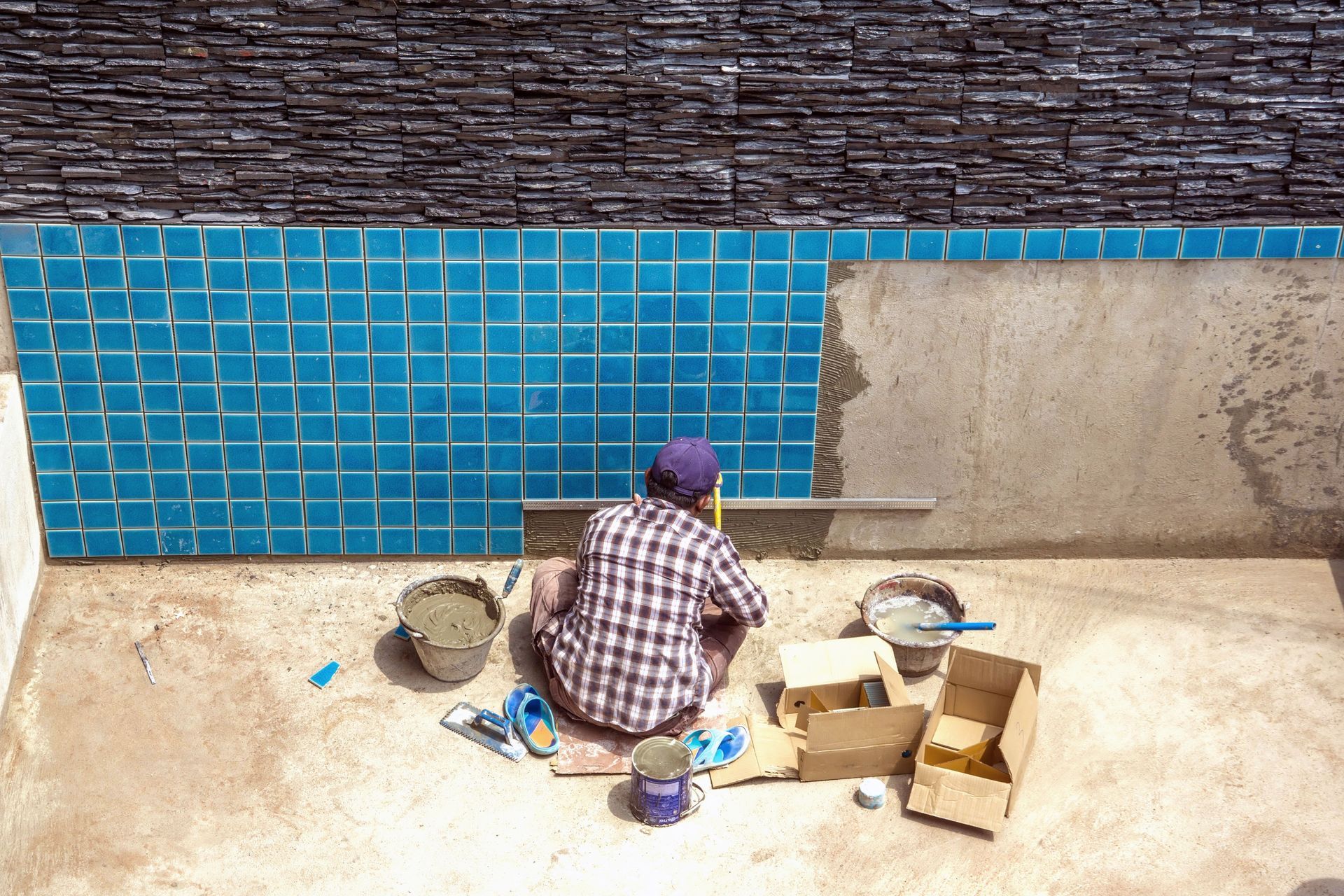
Tile is considered a premium resurfacing option, providing an exquisite and high-end appearance to any pool. With proper care, tile surfaces can last a lifetime, making them cost-effective in the long term. They offer diverse design possibilities with a broad array of materials, colors, and patterns to choose from. The durability of tile is unmatched as it resists chemical wear and physical damage. However, they require skilled installation and proper grout maintenance to prevent issues.
The Resurfacing Process
3.1 Draining the Pool
The first step in the pool resurfacing process is draining the pool, which allows access to the current surface for preparation and application of a new finish. Properly draining a pool is critical to prevent structure damage that improper drainage can cause. Before starting, it’s essential to check local regulations regarding water drainage to avoid environmental damage. Specialist equipment and pumps are used to carry out this step efficiently and safely. Ensuring the pool is entirely dry is crucial before proceeding with surface preparation.
3.2 Surface Preparation
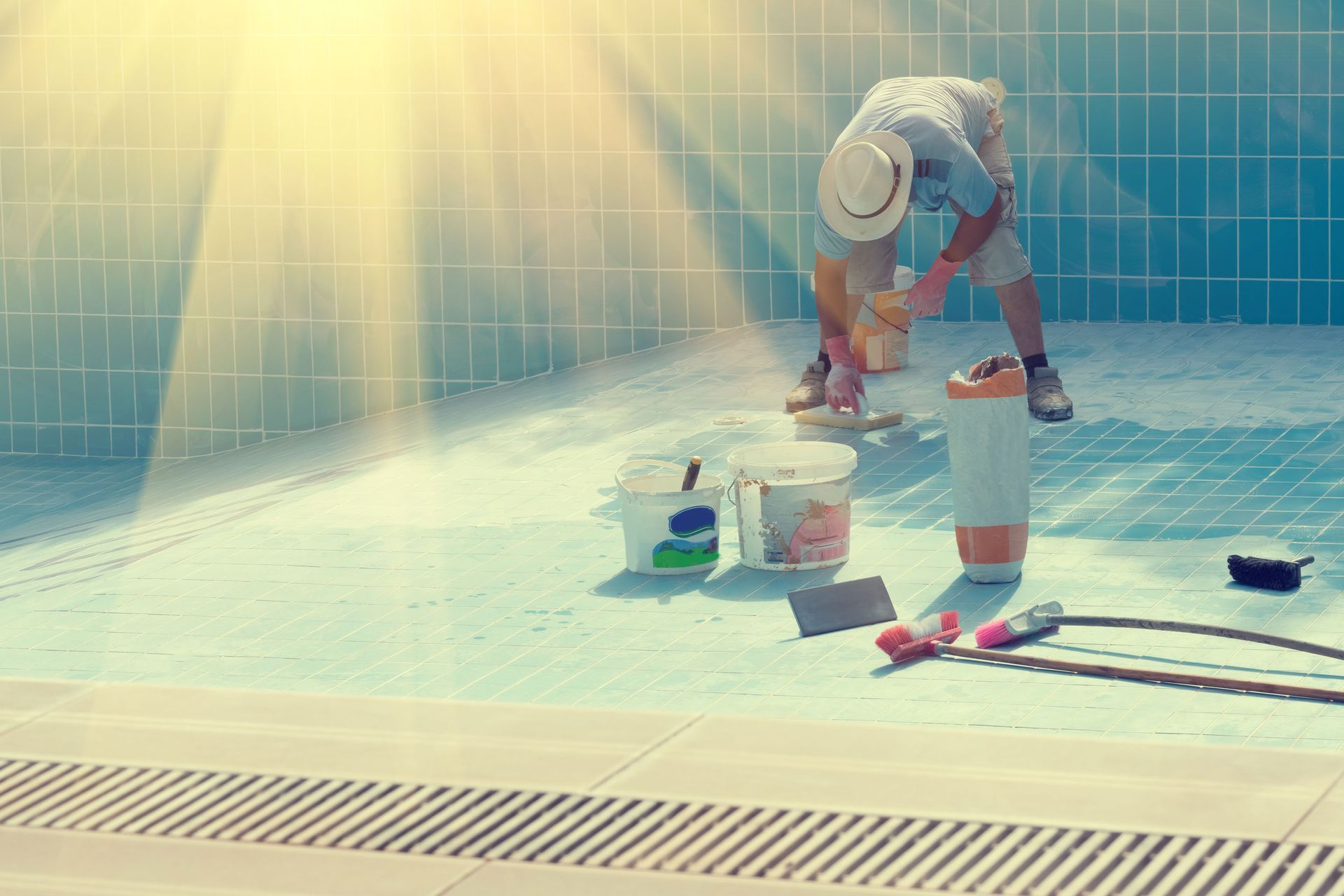
Surface preparation involves removing the old pool surface and thoroughly cleaning the substrate to ensure proper bonding of the new material. This often requires equipment and skills to remove remnants of past layers and smooth any uneven spots. Industry professionals emphasize the importance of meticulous preparation as it significantly affects the final outcome of resurfacing. During this stage, surface repairs like fixing cracks or chips are addressed to lay a strong foundation for the new finish. Thorough preparation ensures the most precise installation possible, ensuring durability and longevity.
3.3 Applying the New Surface
Application of the new surface is a critical step that demands accuracy and attention to detail, often requiring professional skills for optimal results. The choice of materials dictates specific methods for layering and adherence, affecting final appearance and longevity. Depending on the material, this can involve various techniques such as spraying, troweling, or laying tiles. The process must be done in optimal weather conditions to allow proper curing and bonding. Effective application ensures the structural integrity and aesthetic quality of the pool’s new surface.
3.4 Filling the Pool
Once the new surface is applied and sufficiently cured, the pool is refilled with water to resume normal operations. It is important to refill slowly and avoid disruptions that might disturb the settling new surface. Constant observation during this stage is recommended to prevent any formation of air bubbles or soft spots that could result in uneven finishes. Water balance during the initial filling is vital to help set the new surface appropriately. Every step in this process impacts the pool's long-term appearance and functionality.
Pool resurfacing is essential to maintain the beauty and functionality of your swimming pool. By understanding the process, choosing the right materials, and considering when to seek professional help, you can ensure a successful resurfacing project that will keep your pool in pristine condition for years to come. With 10.7 million swimming pools in the United States, proper maintenance practices, including regular resurfacing, play a critical role in maximizing the comfort and safety of pool owners and users. Carefully weighing long-term benefits against initial investments allows for informed decision-making, balancing costs with desired outcomes. Successfully navigating the resurfacing process ultimately enhances property value and owner satisfaction. According to Jobera, there are approximately 10.7 million swimming pools in the United States, including about 10.4 million residential pools. Be sure to reach out to J.V. Pool Plastering, Inc today to learn more about our professional pool resurfacing!